Understand your diagnosis.
Arrive prepared.
Answer four plain-language questions about your condition and receive a personalized Consultation Readiness Score — with a printable checklist to bring to your first appointment.
Where is your primary concern?
Select the area of your body related to your diagnosis or referral.
2,400+
Surgeries Performed
20 yrs
Neurosurgical Practice
98.2%
Patient Satisfaction
What your MRI actually shows.
Plain-language explanations of the most common referral diagnoses — and exactly what to bring to make your consultation count.
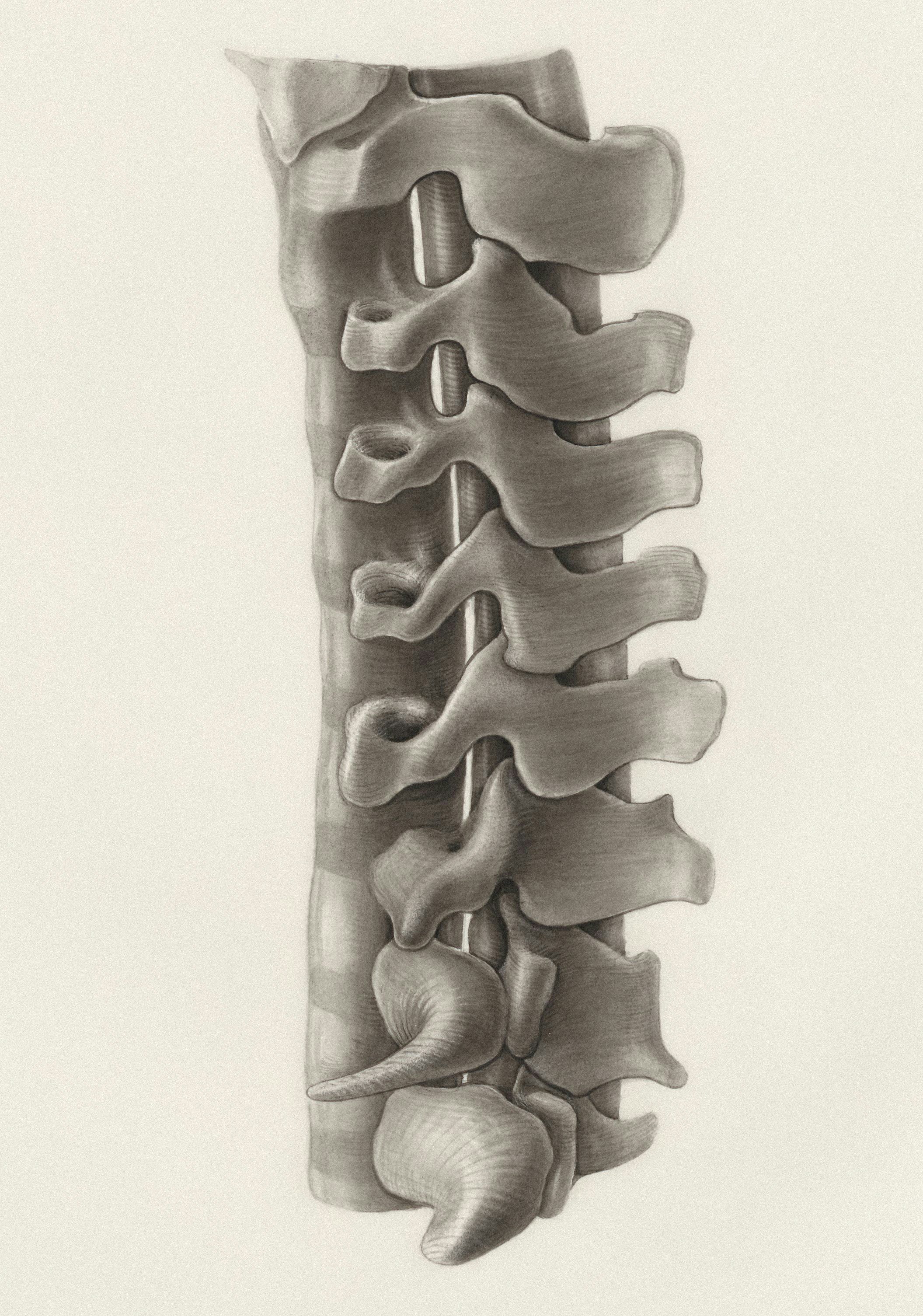
Cervical Disc Herniation
When the soft cushion between two neck vertebrae bulges or ruptures, it can press on a nerve root. Your MRI shows this as a bright area adjacent to the spinal canal — not a fracture, not a tumor.
Reading Your MRI Report
Your MRI report may use terms like "C5-C6 disc protrusion with right foraminal narrowing." This means the disc material is touching — but not necessarily permanently damaging — the nerve.
Common Symptoms
- Sharp or burning pain radiating down one arm
- Tingling or numbness in fingers (often index or thumb)
- Neck stiffness and reduced range of motion
- Weakness when gripping or lifting
Come prepared.
Your appointment time is limited.
Patients who arrive with organized records and written questions consistently leave with a clearer path forward. This list takes about 20 minutes to prepare at home.
- 1Bring disc or USB with MRI images (not just the report)
- 2Write down which arm or hand is affected and when it started
- 3Note activities that worsen symptoms (looking down, driving)
- 4List all treatments tried: PT, chiro, injections, medications
- 5Bring insurance card and any referral documentation

Lumbar Stenosis / Sciatica
Narrowing of the spinal canal in the lower back (stenosis) or a disc pressing on the sciatic nerve creates leg pain that travels from your lower back through the buttock and down the leg. This is one of the most treatable conditions in neurosurgery.
Reading Your MRI Report
Terms like "L4-L5 central stenosis" or "S1 nerve root compression" on your report describe the location and nature of the narrowing. The number indicates which vertebral level is involved.
Common Symptoms
- Pain or cramping in legs when standing or walking
- Relief when sitting or leaning forward
- Numbness or weakness in one or both legs
- Lower back pain, often worse in the morning
Come prepared.
Your appointment time is limited.
Patients who arrive with organized records and written questions consistently leave with a clearer path forward. This list takes about 20 minutes to prepare at home.
- 1Bring lumbar spine MRI images and the written radiology report
- 2Log your pain on a 1–10 scale over 2 weeks (a notes app works)
- 3Note any bladder or bowel changes — always disclose these immediately
- 4Record how far you can walk before pain forces you to stop
- 5Bring a list of all injections (epidurals, nerve blocks) with dates
The procedure, demystified.
Fear of surgery is almost always fear of the unknown. Here is what actually happens, from the moment you're scheduled to the moment you go home.

A structured, monitored process
Modern neurosurgery uses intraoperative imaging, nerve monitoring, and sub-millimeter precision tools. The operating room is the most controlled environment in medicine.
Pre-operative planning
Imaging review, surgical simulation, anesthesia evaluation. Most patients have a pre-op appointment 1–2 weeks before surgery.
Day of surgery
Typically 1–3 hours depending on procedure. You'll be under general anesthesia. A family member receives updates from the surgical team.
Recovery room
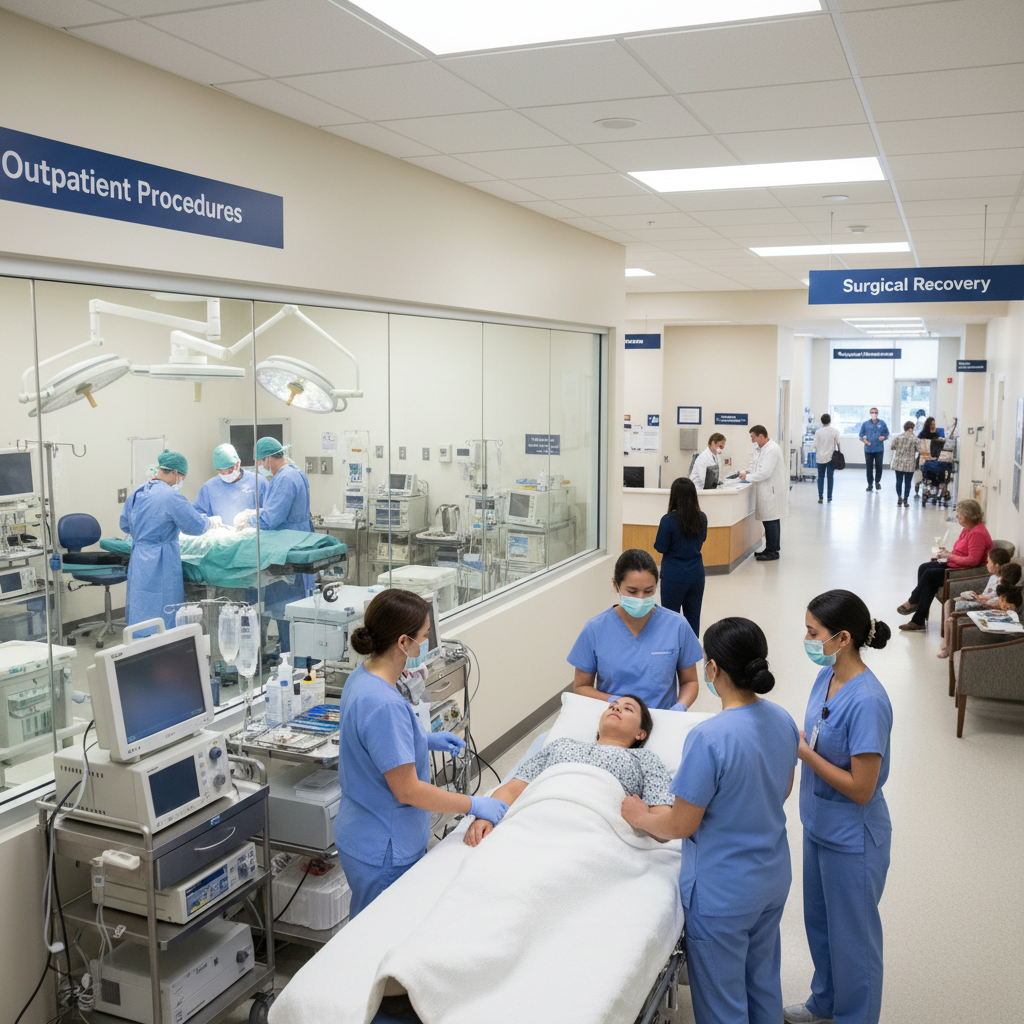
Monitored for 1–3 hours. Most spinal surgeries are outpatient or 1-night stays. Brain procedures require 2–4 days.
Discharge and home care
Detailed written instructions provided. A nurse coordinator calls you at 24 hours and 72 hours post-discharge.
The week before surgery.
Seven things that actually matter.
Complications most often trace back to missed pre-op instructions. This checklist is the same one our nurses review with every patient at their pre-operative appointment.
- Stop blood thinners (aspirin, ibuprofen, warfarin) 7–10 days before — only as directed by your surgeon
- No food or water after midnight the night before surgery
- Arrange a driver — you cannot drive yourself home under any circumstances
- Prepare your home: raised toilet seat, shower chair, items at waist height
- Fill all prescriptions before surgery day so they are waiting at home
- Confirm insurance pre-authorization has been received in writing
- Bring a small bag: loose comfortable clothing, ID, insurance card, phone charger
Insurance note: Most spinal and cranial surgeries require prior authorization. Our scheduling coordinator handles this process — bring your insurance card and member ID to your consultation.
Ready to take the next step?
Every question you have is a good one.
No question is too basic. Our consultations are unhurried — typically 45 minutes — and designed to leave you with a clear plan.
Week by week, what to expect.
Recovery is not a straight line, but it does have a predictable shape. Here is what most patients experience, and how to recognize when something needs attention.
Days 1–3
Rest and pain management
Expect fatigue and soreness at the incision site. Ice packs, prescribed medication, and short walks around the home. No lifting over 5 lbs.
Week 1–2
Wound care and short activity
Incision check appointment. Gradual increase in walking distance. Most patients report significant nerve pain reduction by day 10.
Week 3–6
Physical therapy begins
Structured PT program starts. Driving resumes for most procedures after week 4 (surgeon confirmation required). Return to desk work often possible.
Week 6–12
Progressive strengthening
Core strengthening and posture retraining. Most patients return to full-time work. Follow-up MRI scheduled at 8–10 weeks for complex cases.
3–6 Months
Full functional recovery
Most patients reach pre-surgery activity levels. Nerve regeneration continues for up to 18 months — numbness improvement is often gradual.
Prepare your home before surgery day.
The first 72 hours are the most important.
Patients who prepare their home environment in advance have measurably smoother recoveries. This list should be completed in the week before your procedure.
- 1Arrange 2 weeks of help at home before surgery — this is not optional
- 2Set up a recovery station: bed height, phone charger, medications within reach
- 3Download our post-op care guide to your phone before surgery day
- 4Schedule your first post-op appointment before you leave the hospital
- 5Know the warning signs: sudden weakness, fever over 101°F, wound drainage
- 6Do not stop prescribed medications without calling the office first
- 7Keep a brief daily log of pain levels and new symptoms for your follow-up
Call the office immediately if you experience:
Sudden weakness or paralysis · Fever over 101°F · Wound opening or unusual discharge · Loss of bladder or bowel control · Severe headache unlike any before
You've done your homework.
Now let's meet.
Consultations are 45 minutes. You'll leave with a clear diagnosis explanation, a recommended path forward, and answers to every question on your list.
Why patients choose this practice
Fellowship-trained neurosurgeon
Subspecialty training in complex spinal reconstruction and minimally invasive cranial procedures.
45-minute consultations
Not a 12-minute appointment. You will have time to ask every question on your list.
Telehealth available
For initial consultations and follow-ups. Patients across 3 states seen remotely.
Written care plan provided
Every patient leaves with a written summary of the consultation and recommended next steps.
"I came in terrified and left with a plan. The doctor spent an hour with me going through my MRI image by image. I finally understood what was happening in my own spine."
David Lim
Cervical disc herniation · San Francisco, CA